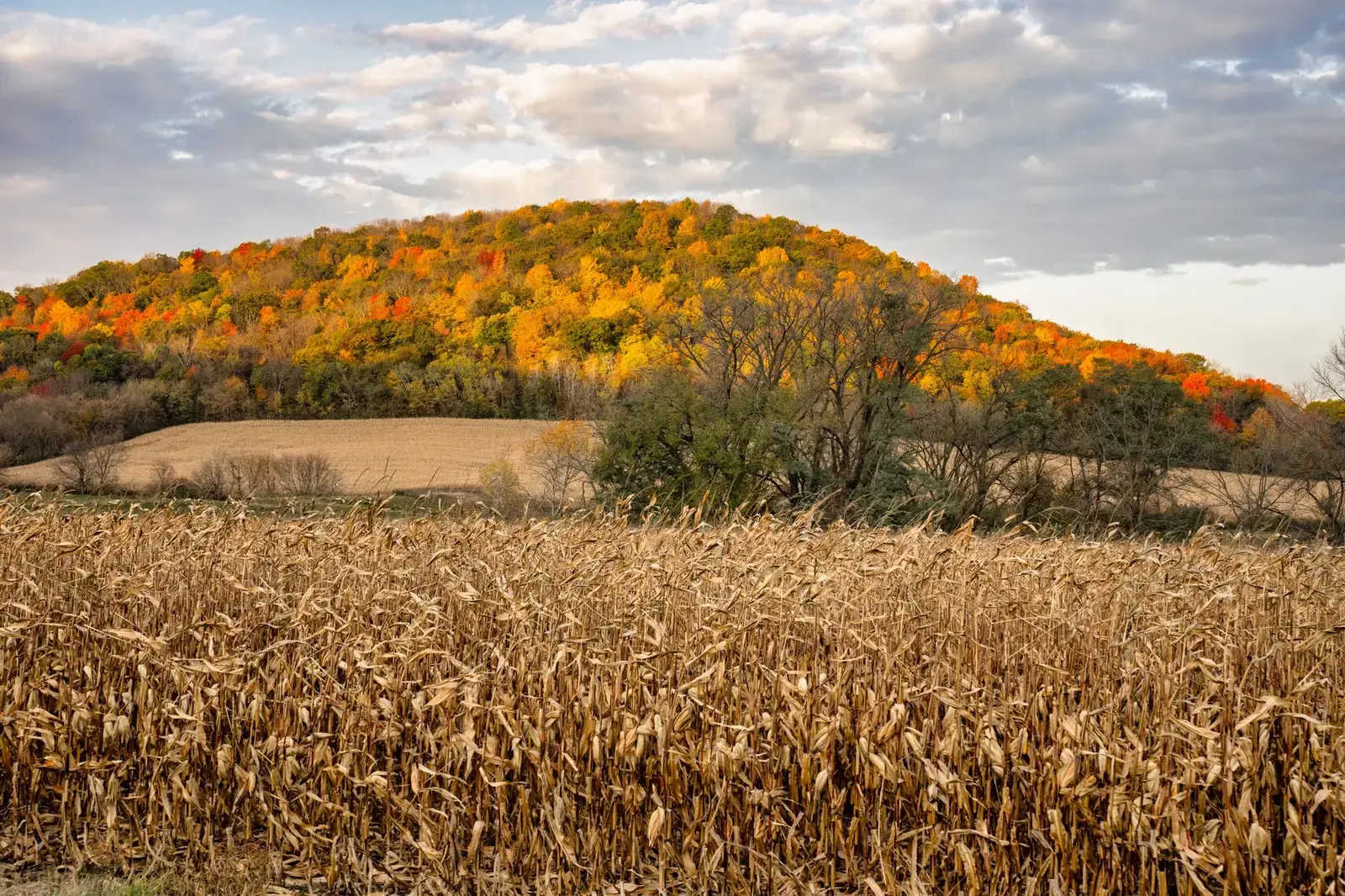
Oak Ridges Moraine · O. Reg. 140/02 · O. Reg. 41/24
Planning and conservation permitting on the Oak Ridges Moraine
Before you buy, design or apply, know what the Oak Ridges Moraine Conservation Plan and your Conservation Authority will require of the property: the statutory pathway, the technical studies, the permit tier and a realistic budget and timeline.
Scoping tools
Start with the property, not the paperwork
Two working tools built on the text of O. Reg. 140/02 and the published 2025/2026 Conservation Authority fee schedules. Share the result by link or print it as a scoping brief.
ORMCP Permit, Study & Budget Estimator
Choose the project, ORMCP designation, November 15, 2001 lot status, landform category, distance to features and watershed. See the statutory pathway, the studies a municipality will ask for, the CA permit tier, a soft-cost range and an approval timeline.
Open the Screening ToolSection 30 Landform Conservation Calculator
Enter site area, house, garage, driveway, hardscape, septic bed and grading envelope. Test the plan against the Category 1 (25% disturbed / 15% impervious) and Category 2 (50% / 20%) caps and see the remaining allowance in m² and sq. ft.
Open the Landform CalculatorORMCP Part II
Four land-use designations decide what a lot can carry
Every property in the Plan Area sits in one designation. It sets whether a new dwelling, an addition, a secondary suite or a severance is possible at all — before any study is scoped.
~38%
Natural Core Areas
Highest concentration of ecological and hydrological features. No new residential lots; existing uses (s. 6) and pre-2001 lots of record (s. 7) are tightly controlled.
~24%
Natural Linkage Areas
East–west corridors joining the cores. New severances and intensive development are prohibited; limited existing-lot rights subject to ecological tests.
~30%
Countryside Areas
Agricultural and rural transition lands. Single dwellings on existing lots, farm buildings and narrow Section 32 severances, subject to the local Official Plan.
~8%
Settlement Areas
Urban and hamlet areas planned through municipal Official Plans, still constrained by Part III water, landform and natural heritage rules on edge parcels.
Practice areas
The disciplines a Moraine file actually needs
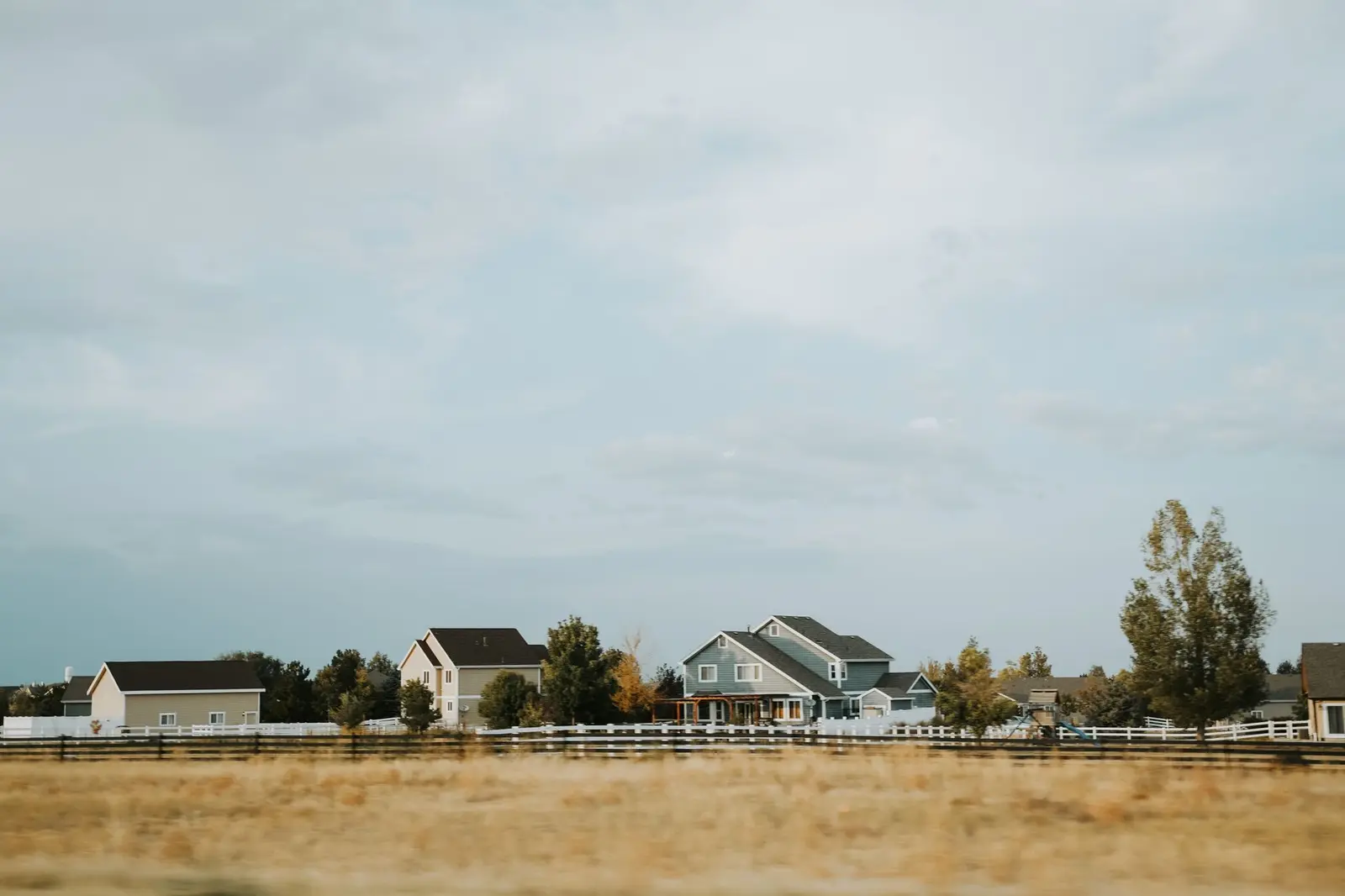
Custom Homes & Section 6/7
New single dwellings on lots of record, additions, garages, pools, barns and secondary suites.
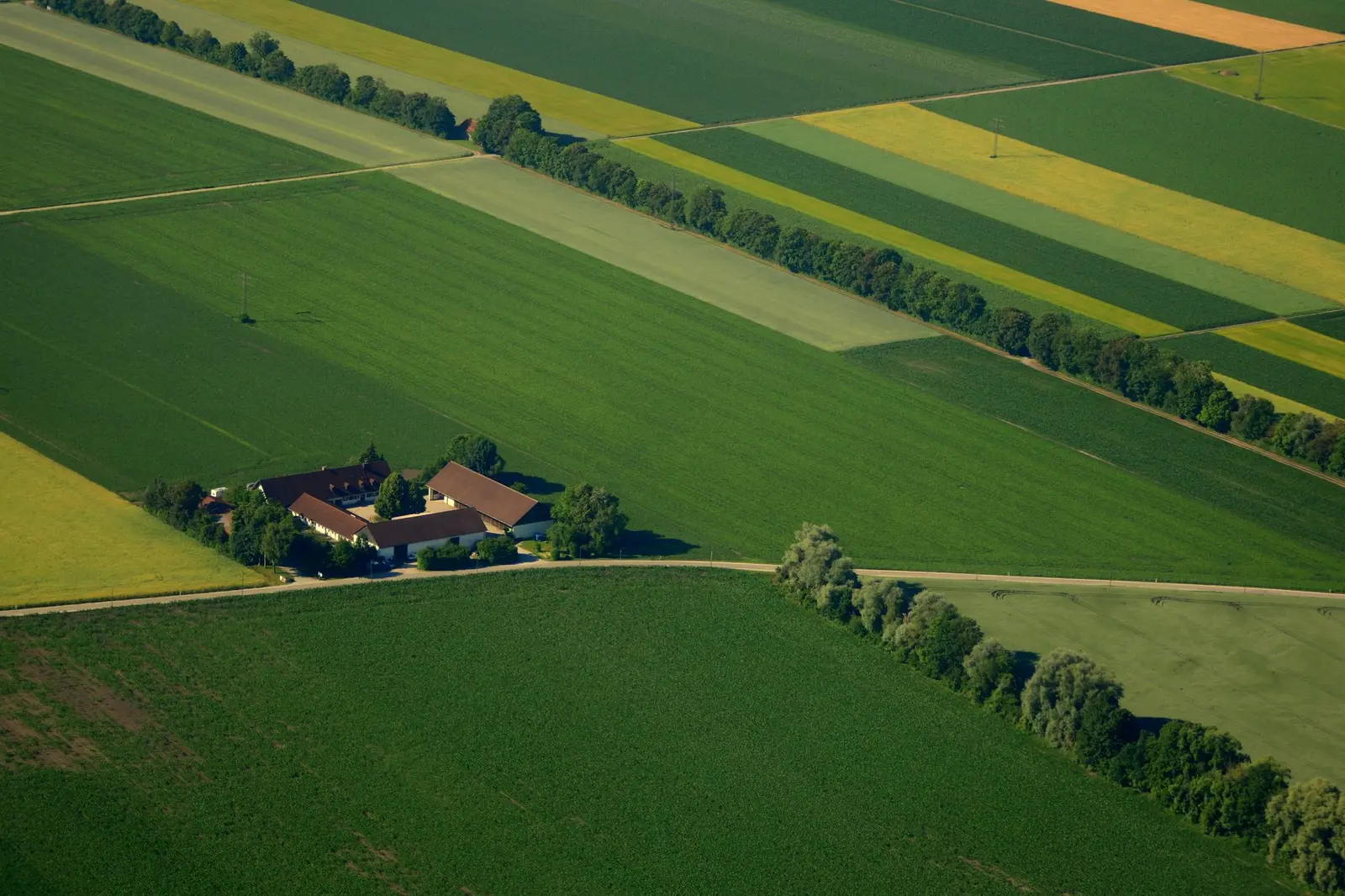
Lot Severances & Section 32
Feasibility of consents, surplus farm dwellings and lot boundary adjustments before the Committee of Adjustment.
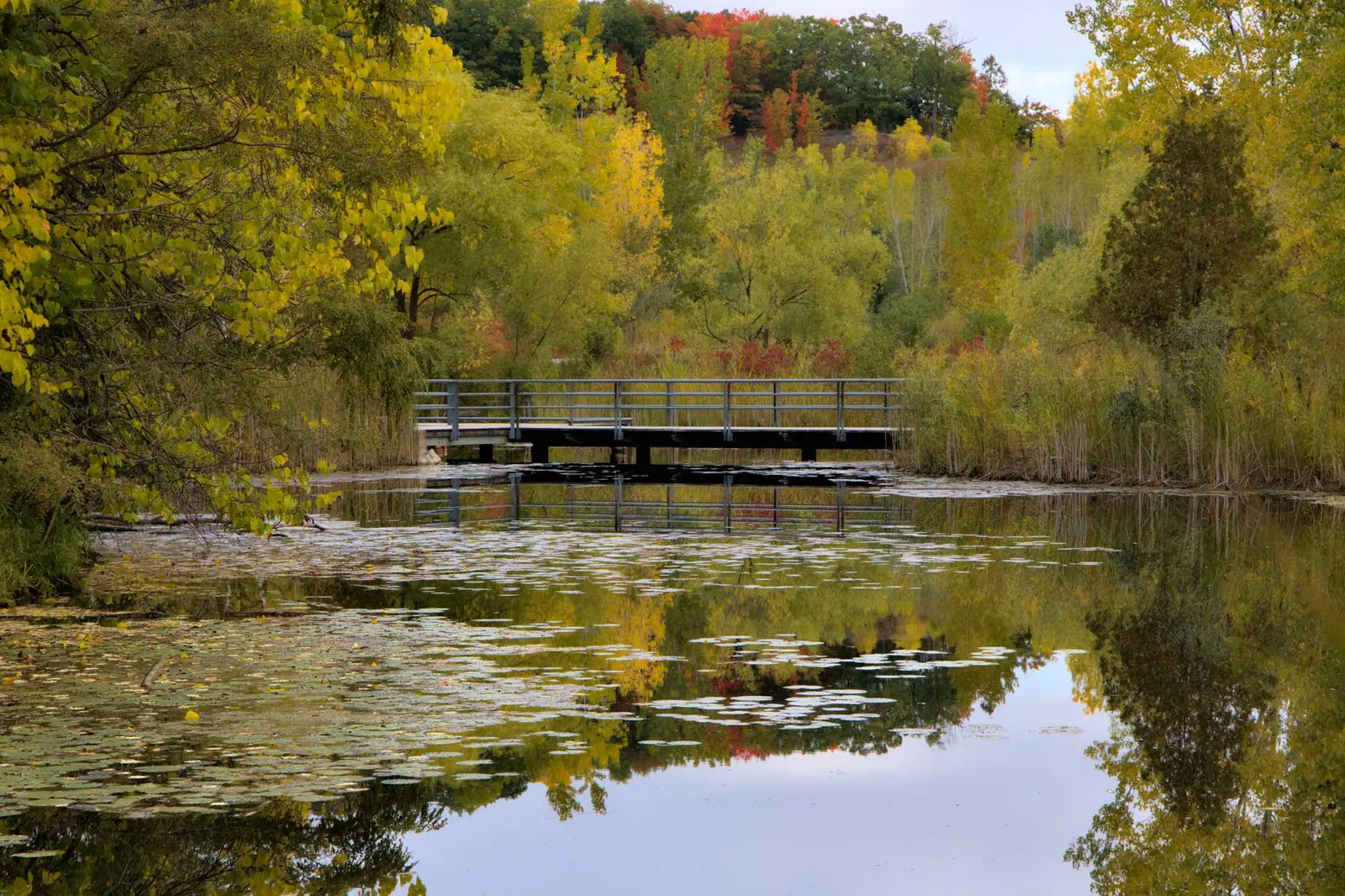
Natural Heritage Evaluation
30 m vegetation protection zones, 120 m areas of influence and seasonal survey windows.
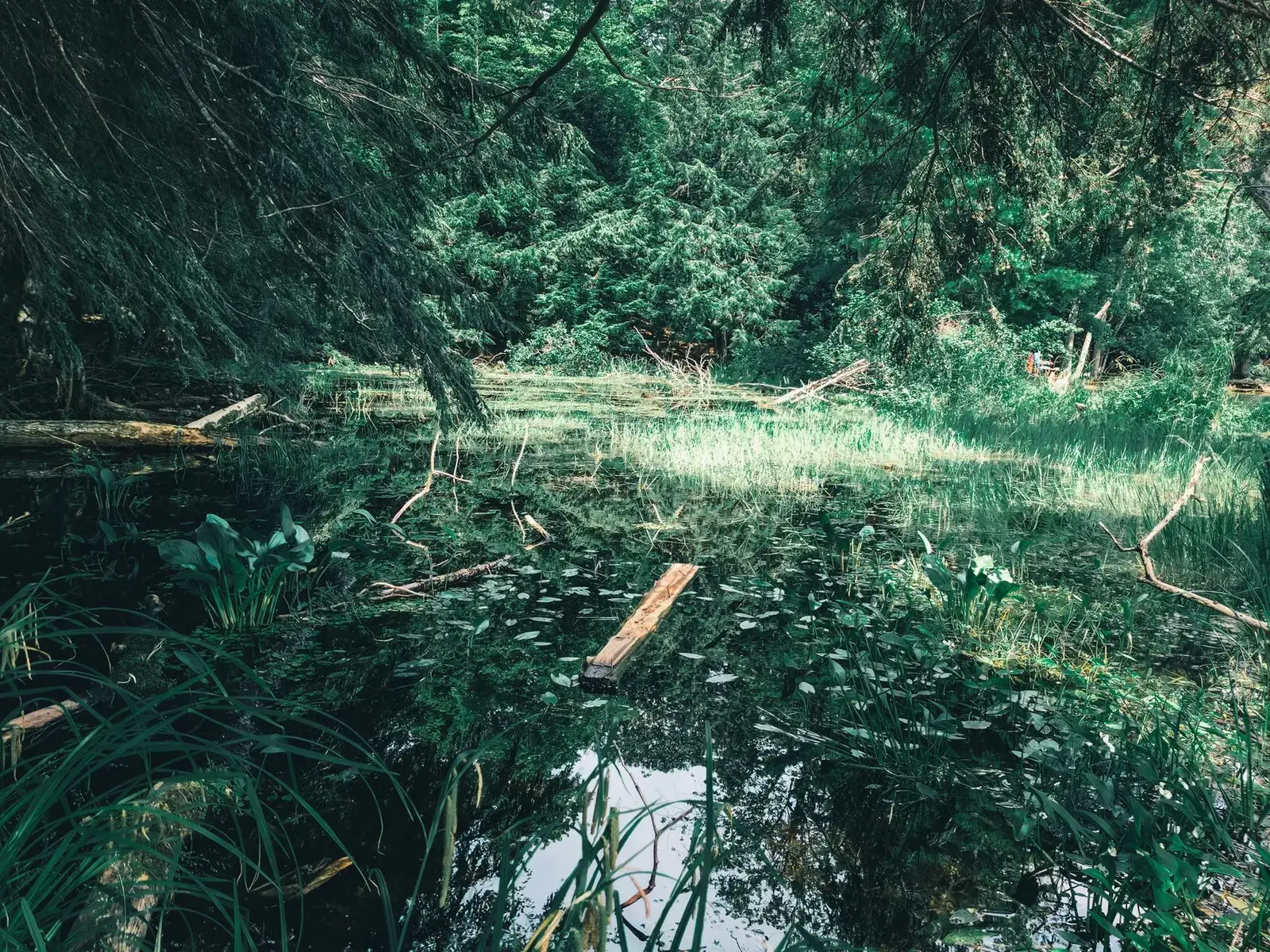
Hydrogeology & Water Balance
Infiltration parity, recharge and wellhead protection, borehole programmes and septic attenuation.
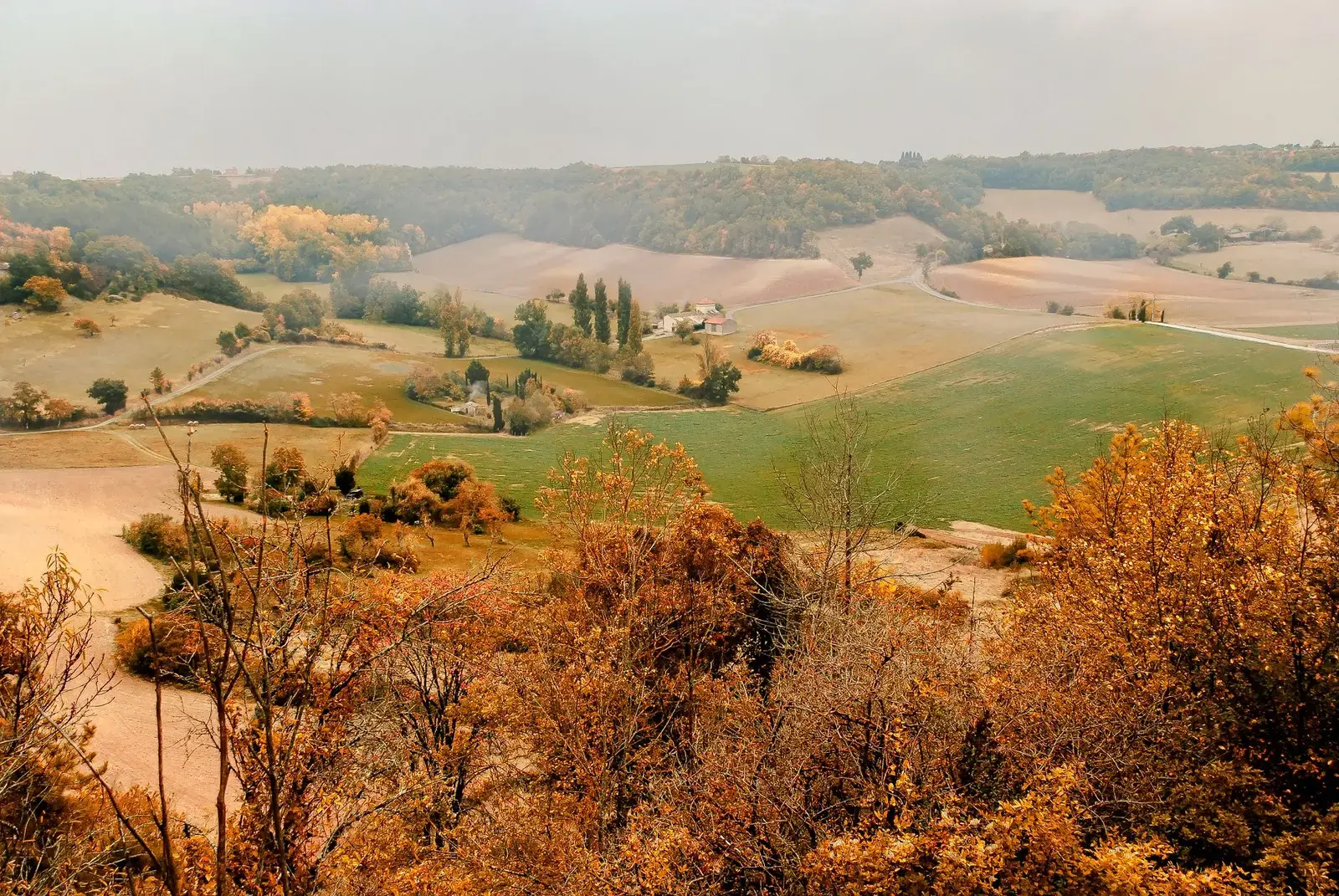
Landform Conservation
Category 1 and 2 disturbance and impervious caps, topographic survey and grading strategy.
Conservation Authority Permits
O. Reg. 41/24 permit tiers, completeness rules and review timelines across all 9 authorities.
O. Reg. 41/24 · 2025/2026 schedules
Conservation Authority permit fees differ by watershed
The same detached garage can cost a few hundred dollars to permit in one watershed and several thousand in the next. A sample of the published tiers:
| Authority | Routine / minor | Standard / intermediate | Major / complex |
|---|---|---|---|
| TRCAFee schedule effective Feb 1, 2026 | $560 (Minor) | $1,045 (Standard) | $1,490 (Major base) / $2,840 (Complex base) + technical review |
| LSRCAFee schedule effective Apr 1, 2026 | $624 (Routine) / $780 (Minor) | $2,013 (Intermediate) | $6,018 (Major — complex technical studies) |
| CVC2026 consolidated fee schedule | $274 (Minor Works) / $561 (Small Development) | $2,157 (Medium Development); $997–$7,191 wetland/watercourse (small–medium) | $19,176 (Large) / $26,634 (Major Development); up to $30,896 major wetland/watercourse |
| GRCACurrent O. Reg. 41/24 schedule | ~$465 (Minor development or wetland/watercourse) | ~$675 (Standard development) / ~$1,185 (Standard wetland/watercourse) | ~$10,230 (Major development/watercourse); ~$6,710 bridge/culvert |
| OtonabeeCurrent O. Reg. 41/24 schedule | $405 (Minor flood/erosion) / $545 (Minor wetland/shoreline) | $1,145–$1,265 (Intermediate) | $2,120–$2,240 (Major) |
Permit fees only. Technical studies, municipal application fees and professional fees are separate. Confirm the current fee with the authority at pre-consultation.
How a site screening works
A clear scope before anyone is retained
Send the property
Municipality, watershed, address or concession and lot, and what you want to build, add or sever. Results from either tool carry over.
We check the constraints
ORMCP designation, key natural heritage and hydrologic features within 120 m, landform category, regulated areas under O. Reg. 41/24 and the local zoning in force on November 15, 2001.
You receive a scoping response
The likely approval pathway, the studies the municipality and Conservation Authority will ask for, budget ranges and the RPP, ecology, hydrogeology and survey disciplines the file needs.
Initial scoping reviews are answered within 1–2 business days from planning@themoraine.com.
Before you buy, design or apply
Know what the Moraine will ask of your property
A pre-consultation site screening sets out the ORMCP designation, the Conservation Authority permit tier, the technical studies the municipality will require and a realistic soft-cost budget and timeline.